

Table of Contents
ToggleIntroduction: The Invisible Hand of Innovation
Technology is no longer confined to the laboratory, the server room, or the confines of a glowing screen. It has quietly embedded itself into the fabric of modern existence—transforming the way we communicate, travel, work, and even think. Once a realm reserved for the few, tech has become democratized, accessible, and inseparable from the daily rhythms of life. But as we stand at the crossroads of convenience and complexity, it is worth pausing to consider not just what technology does for us, but what it does to us.
This article explores the profound, nuanced ways in which technology shapes the world—from artificial intelligence to wearable wellness, from data ethics to digital culture. It is a thoughtful examination of tech not as a trend, but as a force quietly rewriting the human experience.
The Rise of Seamless Technology
We often imagine technology as something external: a gadget we hold, a platform we visit. Yet the future of tech is seamless, ambient, and increasingly invisible. It’s not about commanding machines—it’s about living alongside them, almost unconsciously.
Defining traits of seamless tech:
-
Ubiquity: Smart devices are now in pockets, cars, homes, and even bodies.
-
Integration: Multiple systems—health, finance, entertainment—speak to one another in real-time.
-
Minimal Interface: Devices like smart speakers and wearables rely less on screens and more on voice, touch, or gesture.
This frictionless interaction enables more fluid lifestyles. But it also demands greater trust, deeper understanding, and a more responsible digital ethos.
Artificial Intelligence: The Silent Collaborator
AI is no longer the stuff of speculative fiction. It’s a quiet co-pilot in many aspects of our lives, from predictive text on smartphones to real-time translation, curated news feeds, and intelligent healthcare diagnostics.
Current applications of AI:
-
Personal Assistants: Tools like Siri, Alexa, and Google Assistant manage calendars, control homes, and answer questions instantly.
-
Healthcare Advancements: AI algorithms can detect diseases like cancer more accurately than traditional methods.
-
Finance & Fraud Detection: Machine learning tools monitor transactions and flag anomalies in real time.
-
Creative Tools: AI is now generating music, art, and even literature, ushering in new definitions of creativity.
Yet, with great intelligence comes great responsibility. Bias in data, opaque algorithms, and ethical concerns around autonomy continue to shape the debate around AI’s role in society.
Digital Wellness: Reclaiming Balance in a Connected World
Technology brings efficiency and pleasure—but also distraction, fatigue, and overload. As screen time skyrockets and mental health becomes an ever-present concern, digital wellness has emerged as both a personal goal and a design priority.
Strategies to enhance digital well-being:
-
Mindful Usage: Tracking app usage, muting notifications, and setting screen-free times.
-
Human-Centered Design: Platforms like iOS and Android now include built-in wellness features to encourage healthier habits.
-
Tech-Free Zones: Homes and offices increasingly embrace tech-free rooms or hours to foster focus and connection.
-
Mental Health Apps: Meditation tools like Headspace or Calm help users decompress and refocus.
The goal is not to reject tech—but to humanize it, to use it with purpose and poise.
The Ethical Edge: Data, Privacy, and the New Social Contract
In the digital age, data is currency. Every click, search, and scroll contributes to a vast ecosystem of behavioral information. But who owns this data? How is it used? And what rights do users have over their digital selves?
Core concerns in tech ethics:
-
Privacy vs. Personalization: While data improves user experience, it often comes at the cost of transparency.
-
Consent and Awareness: Many users remain unaware of how much data they’re sharing and with whom.
-
Digital Surveillance: Governments and corporations alike face scrutiny for tracking citizens in the name of safety or service.
-
Algorithmic Fairness: Biased code can reinforce systemic inequality if left unchecked.
Legislation like the EU’s General Data Protection Regulation (GDPR) and the growing demand for ethical design are pushing the industry toward greater accountability.
The Smart Home: Convenience with a Conscious Heart
Homes are rapidly becoming digital ecosystems. Lights that learn your schedule, fridges that order groceries, thermostats that anticipate weather changes—all part of the modern “smart home.” These technologies offer not only comfort but also increased energy efficiency and security.
Key smart home trends:
-
Voice-Controlled Interfaces: Hands-free control of lighting, music, and home appliances.
-
Home Security Systems: AI-powered cameras and motion sensors provide real-time alerts and peace of mind.
-
Eco-Friendly Devices: Smart thermostats and energy-monitoring plugs help lower carbon footprints.
-
Interconnected Ecosystems: Devices that sync seamlessly with smartphones and wearable tech for unified control.
The challenge lies in ensuring that convenience does not come at the cost of privacy, reliability, or digital dependency.
The Democratization of Innovation
Perhaps one of the most powerful impacts of technology is its ability to level the playing field. Entrepreneurs, creators, and learners around the world now have access to tools once limited to major corporations or elite institutions.
Examples of democratized tech access:
-
No-Code Platforms: Tools like Webflow or Bubble empower non-coders to build sophisticated apps and websites.
-
Online Education: Platforms such as Coursera and Khan Academy offer high-quality courses to anyone with an internet connection.
-
Remote Work Tools: Zoom, Slack, and Notion have enabled decentralized, global workforces.
-
Affordable Hardware: Open-source hardware like Raspberry Pi allows students and hobbyists to build and experiment with minimal investment.
This access has birthed new ecosystems of innovation—especially in emerging economies—driving grassroots problem-solving at unprecedented scale.
Future Gazing: Where Tech Is Headed
As we look to the horizon, certain technologies promise to further reshape our lives. They are not just upgrades—they are shifts in how we define interaction, presence, and even consciousness.
Emerging frontiers to watch:
-
Quantum Computing: Poised to revolutionize fields from medicine to cryptography.
-
Augmented and Virtual Reality: Merging physical and digital realms to transform learning, shopping, and social connection.
-
Brain-Computer Interfaces: Direct communication between mind and machine could redefine accessibility and cognition.
-
Decentralized Internet (Web3): A vision of the web where users own their data and platforms run on blockchain technology.
Each of these technologies holds extraordinary promise—but also profound questions. As we innovate, we must also interrogate: who benefits, who decides, and who bears the cost?
Conclusion: Designing a Thoughtful Tech Future
Technology is neither savior nor villain. It is a mirror—reflecting back our values, our ambitions, and our blind spots. It amplifies our best and our worst tendencies. Therefore, the question is not whether technology will continue to evolve, but how we will evolve alongside it.
A refined, human-centered approach to tech requires us to look beyond utility and speed. It invites us to consider meaning, ethics, empathy, and elegance. In doing so, we can shape a future where technology serves not just our needs, but our deeper aspirations.
Because ultimately, the best technology is not that which dazzles—it’s that which disappears into the background, letting us focus on what matters most: living with intention, learning with humility, and connecting with grace.
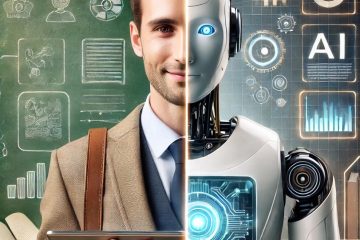
The Growing Influence of Artificial Intelligence Technology
January 3, 2026



Latest Posts
-

-

Real Estate Insights for New and Experienced Investors
June 14, 2026 -

The Role of Mental Health in Overall Wellness
June 5, 2026 -

-

The Role of Parents in Supporting Children’s Education
April 17, 2026
Recent Posts
- Preparing for O-Level Physics in Potong Pasir: A Focused Study Plan June 29, 2026
- Real Estate Insights for New and Experienced Investors June 14, 2026
- The Role of Mental Health in Overall Wellness June 5, 2026
- The Ultimate Guide to Personal Finance Management May 8, 2026
- The Role of Parents in Supporting Children’s Education April 17, 2026
- The Psychology Behind Popular Casino Game Choices March 25, 2026
- Why is ethereum keno gaining massive popularity worldwide? March 23, 2026