
Managing Chronic Pain and Mobility Issues with Yoga Classes Near Me
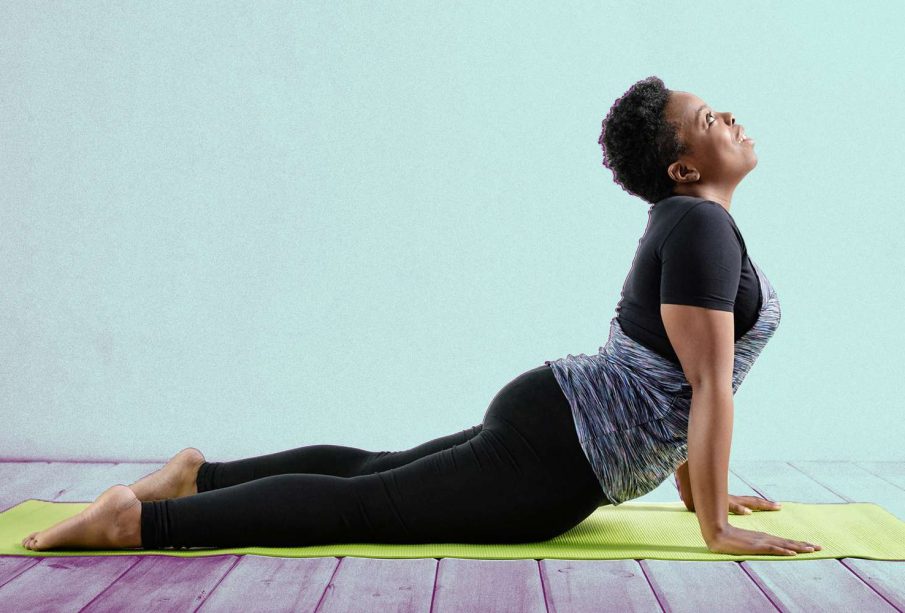
Chronic pain and limited mobility affect countless individuals in Singapore. Whether caused by ageing, injuries, arthritis, or long hours of desk work, these conditions reduce quality of life and make daily activities challenging. Traditional solutions often involve medication or invasive treatments, but there are gentler, long-term approaches that support both the body and mind. One highly effective option is to join yoga classes near me, where carefully guided practices target pain relief and mobility improvement in a sustainable way.
Understanding Chronic Pain and Mobility Challenges
Chronic pain refers to persistent discomfort lasting more than three months. Unlike acute pain from an injury, chronic pain often continues even after tissues have healed. It may appear in areas such as the lower back, neck, shoulders, hips, or knees. Mobility issues are closely linked, as pain discourages movement, which in turn causes stiffness, reduced strength, and further discomfort. This cycle can be frustrating and discouraging, but yoga provides a safe way to break it.
Why Yoga is Suitable for Chronic Pain
Yoga is not just exercise. It blends movement, breath control, and mindfulness to create a holistic practice that addresses both physical and psychological aspects of pain. Unlike high-impact workouts, yoga uses gentle, controlled motions that encourage flexibility and joint lubrication without straining the body. It also builds body awareness, helping practitioners recognise and correct poor posture or movements that may worsen discomfort.
How Yoga Relieves Pain
Improving Flexibility and Range of Motion
Chronic pain often results from stiffness in muscles and joints. Yoga stretches tight tissues and increases flexibility, making it easier to move without pain. Even simple stretches can reduce tension in the back and shoulders, areas commonly affected in office workers.
Strengthening Support Muscles
Weak muscles place excess pressure on joints, contributing to pain. Yoga builds strength in key areas such as the core, hips, and legs, which stabilise the body and reduce strain on vulnerable joints. Strengthening the spine and abdominal muscles is particularly helpful for those with lower back pain.
Reducing Inflammation
Chronic inflammation contributes to ongoing discomfort. Yoga reduces stress hormones and improves circulation, both of which lower inflammation markers in the body. This biological effect helps people feel long-lasting relief beyond just stretching muscles.
Correcting Postural Imbalances
Many mobility issues stem from poor posture. Sitting for extended hours, especially at a desk, rounds the shoulders and weakens the back. Yoga teaches alignment and body awareness, encouraging proper posture that reduces long-term pain.
Yoga and Mobility Restoration
Joint Health
Yoga encourages synovial fluid production, which lubricates joints and allows smoother motion. For individuals with arthritis or stiffness, this prevents joints from becoming rigid.
Balance and Coordination
Mobility is not just about flexibility but also balance. Yoga improves stability through postures that engage small, supportive muscles. This reduces the risk of falls, particularly in older adults.
Functional Movement
Practising yoga makes daily activities easier, whether it’s climbing stairs, bending to pick up groceries, or playing with children. Over time, these improvements restore independence and confidence.
Real-Life Benefits for Singaporeans
In Singapore’s urban environment, long hours of commuting and desk work are common contributors to pain. Yoga provides a low-cost, non-invasive solution that fits into busy schedules. By attending classes two or three times weekly, individuals often report reduced backaches, improved energy levels, and the ability to move more freely. For those seeking structured learning, Yoga Edition offers a safe environment guided by experienced instructors who help adapt poses to suit different needs.
Recommended Yoga Poses for Pain Relief
-
Cat-Cow Stretch: Improves spinal flexibility and relieves back tension.
-
Child’s Pose: Gently stretches the hips and spine, promoting relaxation.
-
Bridge Pose: Strengthens the back, glutes, and core to support posture.
-
Supine Twist: Releases tightness in the lower back and aids digestion.
-
Mountain Pose: Builds awareness of proper alignment and posture.
Breathing Techniques to Manage Pain
-
Diaphragmatic Breathing: Encourages relaxation by activating the parasympathetic nervous system.
-
Alternate Nostril Breathing: Balances energy and reduces stress-induced discomfort.
-
Ujjayi Breath (Victorious Breath): Enhances focus and creates calm during challenging postures.
Breathing deeply also reduces pain perception by calming the brain’s response to discomfort.
Mindfulness and Pain Perception
Pain is not only physical but also psychological. Chronic discomfort often leads to fear of movement, which makes conditions worse. Yoga integrates mindfulness, teaching practitioners to observe sensations without panic. This shift in perspective helps people manage pain more effectively and encourages gradual progress.
Practical Tips for Practising with Pain
-
Always start gently and avoid forcing movements.
-
Use props like blocks, straps, or bolsters for support.
-
Practise consistently, as progress comes with regular sessions rather than occasional effort.
-
Communicate with instructors about any limitations.
-
Pair yoga with other healthy habits such as proper hydration and balanced nutrition.
Long-Term Outlook
The key to success with yoga for chronic pain and mobility is consistency. Unlike quick fixes, yoga provides gradual but lasting improvements. Over time, practitioners experience not only physical relief but also enhanced confidence, better mood, and a more positive outlook on life. These benefits extend into every area of daily living, from professional performance to family activities.
FAQ
Q: Can yoga completely cure chronic pain?
A: While yoga may not cure underlying medical conditions, it significantly reduces pain levels and improves quality of life. It works best as part of a comprehensive wellness plan.
Q: Is yoga safe for people with arthritis or back issues?
A: Yes. Gentle and restorative yoga styles are particularly beneficial for arthritis and spinal discomfort. Always inform the instructor of your condition to receive modifications.
Q: How soon can I expect mobility improvements with yoga?
A: Some people notice increased flexibility within weeks. For deeper changes like improved posture or reduced joint stiffness, regular practice over several months provides lasting results.
Q: Do I need to be flexible before starting yoga for pain relief?
A: No. Yoga is designed to improve flexibility gradually. Even those with very limited mobility can benefit from modified poses.
Q: Can older adults safely join yoga classes for mobility?
A: Absolutely. Many seniors practise yoga to maintain independence, improve balance, and reduce pain. Classes can be adapted for different ages and abilities.