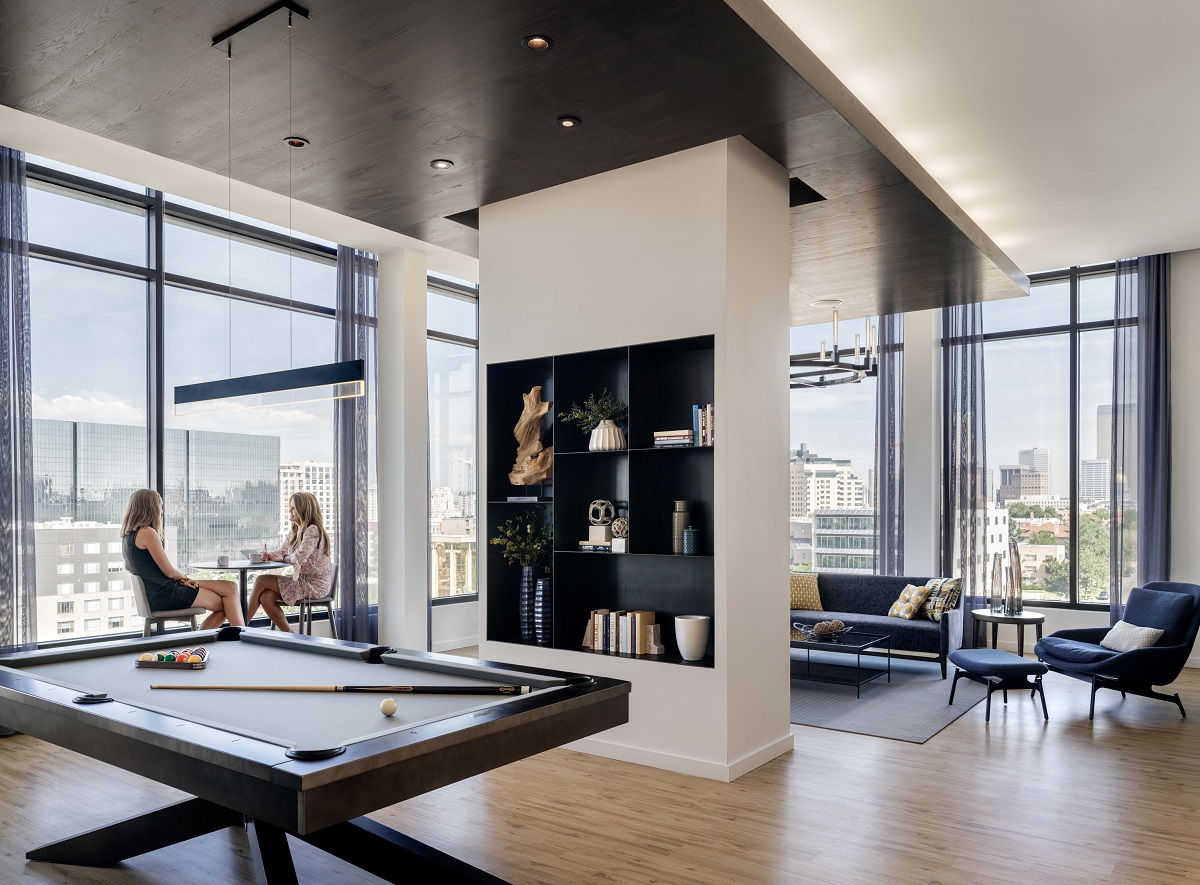
The Soul of Shelter: Rediscovering the Meaning and Magic of Home
Introduction: More Than Just Four Walls
Home is a word that transcends architecture. It is not merely a physical structure or a fixed location—it is an emotion, a refuge, a silent witness to our lives. Whether humble or grand, modern or rustic, a home reflects not just our tastes but our dreams, values, and memories. In a world that often feels hurried and impersonal, the concept of home has gained renewed significance. It is where we return to rest, to reconnect, and to simply be ourselves.
This article explores the deeper dimensions of home—its cultural relevance, emotional essence, design philosophy, and its enduring importance in our personal and collective lives.
The Emotional Architecture of Home
While brick and mortar form the physical shell, it is emotion that gives a house its heartbeat. The essence of home lies in the intangible moments: the laughter shared around a dining table, the comfort of a familiar chair, or the smell of morning coffee in a well-loved kitchen.
Why home evokes powerful emotions:
-
Sense of Security: Home is our sanctuary from the world’s chaos, a place where we can let down our guard.
-
Memory Reservoir: Homes hold the imprints of time—birthdays celebrated, milestones marked, and countless ordinary moments that form the fabric of life.
-
Identity and Belonging: How we decorate, organize, and inhabit our spaces reflects who we are and what we cherish.
-
Continuity in Change: Even when everything else shifts, a home provides grounding and a consistent point of return.
Creating a nurturing home means curating both comfort and character—spaces that are not just beautiful, but meaningful.
The Evolution of Home: A Cultural Perspective
Throughout history and across cultures, the concept of home has been shaped by geography, tradition, and societal norms. Yet, despite differences in form or material, the desire for a place to call one’s own is universal.
Global interpretations of home:
-
Japanese Minimalism: Prioritizing serenity, space, and natural light to foster peace of mind.
-
Scandinavian Hygge: Embracing coziness through soft lighting, warm textures, and a focus on togetherness.
-
Mediterranean Courtyards: Designed for connection, open-air courtyards celebrate family, food, and fresh air.
-
Indian Ancestral Homes: Built for generations, these homes echo heritage and emphasize familial ties.
The diversity in housing styles reflects not just environmental needs but cultural philosophies around life, relationships, and spirituality.
Designing with Intention: Creating a Home That Heals
Interior design is more than aesthetics—it’s about shaping an environment that nurtures well-being. As we spend more time at home, especially in the post-pandemic era, intentional design has become a pillar of modern living.
Principles of mindful home design:
-
Function Meets Beauty: A space must serve its purpose efficiently while still offering visual comfort.
-
Natural Elements: Wood, stone, plants, and light enhance emotional health and create a sense of harmony.
-
Personal Touches: Photographs, art, and heirlooms add soul and history to any space.
-
Decluttering: Clean, organized spaces promote clarity of thought and reduce anxiety.
Rather than mimicking trends, true home design starts with personal values and lifestyle. The goal isn’t perfection but authenticity.
The Home Office: Where Work Meets Sanctuary
As remote work becomes increasingly prevalent, the home has taken on a dual role—as both retreat and workplace. This transformation presents challenges, but also unique opportunities to blend productivity with comfort.
Key elements of an effective home office:
-
Dedicated Space: Separating work from living areas supports focus and reduces burnout.
-
Ergonomic Furniture: Proper seating and lighting are vital for health and concentration.
-
Sound Management: Quiet zones or acoustic solutions minimize distractions.
-
Aesthetic Inspiration: Surroundings that inspire creativity—art, greenery, or calming colors—enhance output.
Creating boundaries within the home ensures that work hours remain efficient while personal time stays protected.
Home as a Reflection of Sustainability
Modern homeowners are increasingly conscious of their environmental impact. A sustainable home is not just about solar panels or energy-efficient appliances—it’s about thoughtful choices that respect the planet without compromising style or comfort.
Simple ways to build a greener home:
-
Energy Efficiency: LED lighting, insulation, and smart thermostats reduce both bills and emissions.
-
Recycled Materials: Opting for reclaimed wood, recycled tiles, or eco-friendly paints supports a circular economy.
-
Water Conservation: Rainwater harvesting and low-flow fixtures make a difference.
-
Indoor Plants: They purify air, enhance aesthetics, and create a calming atmosphere.
A sustainable home reflects care—for the Earth, for future generations, and for the quality of life it supports.
The Role of Technology in the Modern Home
Smart homes are no longer futuristic fantasies—they are increasingly accessible and user-friendly. Technology enhances convenience, safety, and energy management, subtly transforming how we interact with our spaces.
Popular smart home features:
-
Voice-Controlled Devices: Lights, thermostats, and entertainment systems now respond to simple verbal commands.
-
Security Systems: Motion sensors, smart locks, and video doorbells offer peace of mind.
-
Automated Routines: From morning wake-ups to evening wind-downs, routines can be programmed to support lifestyle habits.
-
Energy Monitoring: Apps that track energy use help make informed decisions about consumption.
Yet even with digital integration, the challenge remains to maintain a sense of warmth and humanity in increasingly tech-driven environments.
Homeownership vs. Renting: A Matter of Choice, Not Status
The traditional ideal of owning a home is evolving. Today’s generation weighs flexibility, career mobility, and financial priorities when deciding whether to rent or buy.
Pros of homeownership:
-
Long-term financial investment
-
Stability and freedom to personalize
-
Potential tax benefits and asset appreciation
Advantages of renting:
-
Lower upfront costs
-
Flexibility for relocation or career changes
-
No maintenance or property tax burdens
Each option carries its own merits, and the “right” decision depends on personal goals, not societal pressure.
Conclusion: Coming Home to Yourself
In its truest form, a home is where you feel most fully yourself. It is not defined by square footage or market value, but by the life lived within it. A well-loved home holds your stories, shelters your dreams, and restores your spirit.
Whether it’s an apartment in the city, a cottage by the sea, or a farmhouse in the hills, the magic of home lies in its ability to nourish, comfort, and inspire. As we continue to redefine what home means in a changing world, one truth remains constant: home is not just a place—it is a feeling. A quiet, unwavering reminder that you belong, that you are safe, and that there is beauty in the everyday.