
Why is ethereum keno gaining massive popularity worldwide?
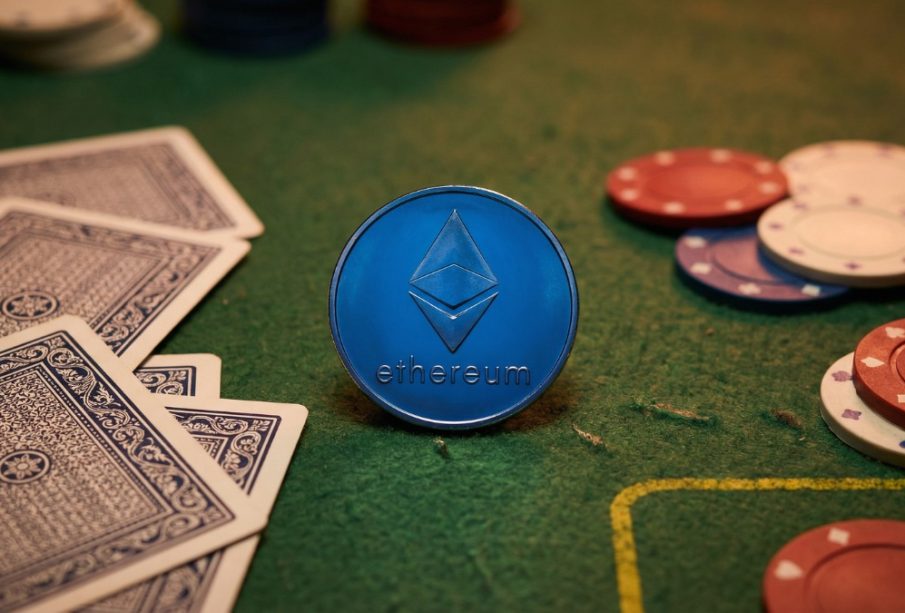
Traditional keno required trusting that random number generation worked honestly without verification capabilities. Players hoped operators didn’t manipulate outcomes, favouring house interests beyond disclosed edges. Regulatory oversight provided some protection, but scandals occasionally exposed rigged games that audits missed. Ethereum Keno eliminates these trust requirements through cryptographic verification systems, providing mathematical proof that individual draws are operated fairly.
The verification works through seed commitment schemes where platforms publish hashes of their randomness inputs before players bet. After the draws are complete, platforms reveal the actual seeds that anyone can hash, confirming they match the pre-committed values. This timing prevents platforms from observing player selections and then generating favourable outcomes since they locked themselves into specific randomness before knowing what players chose. Combined with player-contributed seeds and blockchain data, the multi-source randomness becomes impossible for any single party to manipulate.
Speed and accessibility
Physical keno halls operated on slow schedules with draws every five to fifteen minutes, accommodating ball machine operations and result processing. Players sat waiting between games with nothing happening during these dead periods. Online keno accelerated this somewhat but still maintained a relatively leisurely pace. Ethereum implementations execute complete rounds within seconds through instant cryptographic number generation. Someone can play hundreds of games hourly versus dozens through traditional formats.
This acceleration suits modern attention spans and entertainment preferences, favouring rapid engagement over passive waiting. Players complete satisfying gambling sessions within minutes rather than requiring hour-long commitments. The speed also enables meaningful statistical analysis where thousands of rounds reveal actual performance patterns impossible to observe across the small samples that slow traditional keno provides.
Global accessibility expansion
Government keno restricts participation to specific jurisdictions. California residents cannot play New York lottery games. International players face complete exclusion from most traditional keno offerings. These geographic limitations stem from regulatory frameworks treating gambling as jurisdiction-specific activities requiring physical presence or residency. Ethereum keno operates borderlessly through blockchain technology, working identically regardless of player location.
This global accessibility creates massive player pools that traditional formats never achieved:
- Instead of serving millions within one state or country
- Blockchain platforms potentially serve billions worldwide
- No geographic restrictions preventing participation
- Identical platform access regardless of location
- Prize pools grow faster through broader contribution bases
The expanded markets enable jackpots to accumulate larger amounts more quickly through continuous global participation versus limited regional populations.
Transparent prize pools
Traditional keno announces jackpot sizes through marketing without proving that the advertised funds actually exist, backing those amounts. Players trust that claimed prizes match reality since independently verifying this remains impossible without accessing internal accounting. Ethereum keno prize pools exist as verifiable cryptocurrency balances within smart contract addresses. Anyone can check blockchain explorers to see exactly how much ETH contracts hold available for prize distribution. This transparency extends throughout all financial operations. Every ticket purchase appears as a blockchain transaction contributing to pools. Operating cost deductions get documented publicly. Prize distribution records show historical payouts proving consistent, fair payments. The comprehensive visibility exceeds what gambling regulators demanded from traditional operators who maintained substantial financial opacity.
Instant settlement finality
Traditional keno winners claiming prizes face verification procedures that potentially extend days or weeks before receiving funds. Documentation requirements and manual processing create delays serving operator interests more than the winner’s needs. Ethereum keno settles winnings automatically within blockchain confirmation times, typically under five minutes. Smart contracts detect wins mathematically, calculate appropriate payouts based on programmed multipliers, and transfer cryptocurrency directly to winner wallets without requiring claims, approvals, or waiting periods. The automation removes human discretion from prize distribution entirely. Winners receive funds immediately, regardless of the amounts won or their geographic locations. This instant settlement matches modern expectations around digital transactions versus antiquated processes that traditional gambling maintains.