The Role of Parents in Supporting Children’s Education
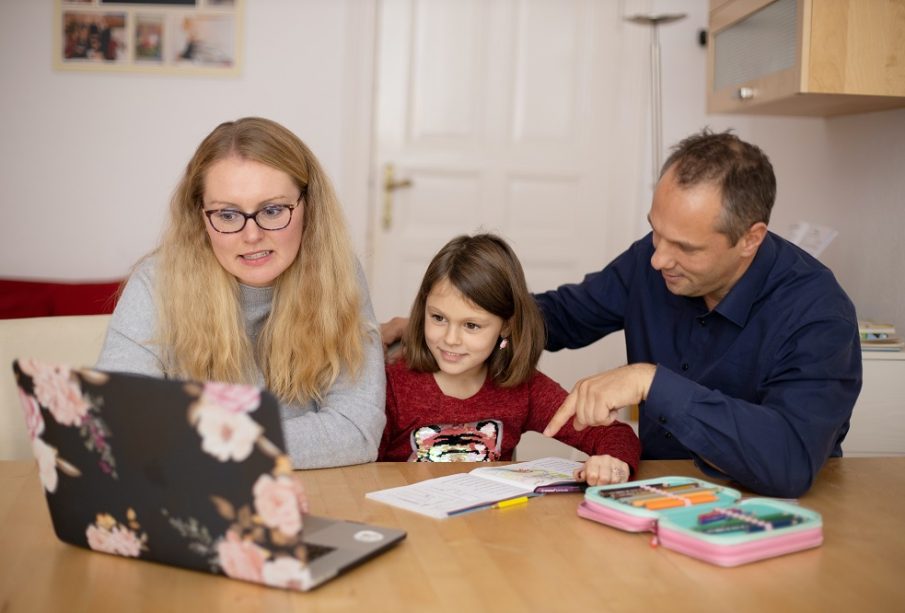
An educational journey for a child does not begin and end at the classroom door. While schools provide the structured curriculum, professional instruction, and social environment necessary for academic development, the home remains the primary crucible of learning. Decades of educational research consistently demonstrate that parental involvement is the single most accurate predictor of a student’s academic success, emotional resilience, and long-term career achievements.
When parents actively participate in the educational process, they provide a critical scaffolding that reinforces classroom lessons. This support goes far beyond the simple act of checking homework accuracy or attending annual teacher conferences. True educational partnership requires parents to cultivate a home environment that values intellectual curiosity, establishes disciplined behavioral systems, models emotional regulation, and fosters a lifelong growth mindset.
The Cognitive and Emotional Foundation of Home Learning
Long before a child enters formal schooling, their brain is shaped by the linguistic, social, and emotional inputs of their home life. The habits and attitudes formed during these early years serve as the permanent foundation for all future academic tracking.
The Power of a Growth Mindset
One of the most profound gifts a parent can give a student is a growth mindset. Many children develop a fixed mindset early on, believing that intelligence is an unalterable trait: you are either born good at mathematics, or you are not. When students face academic setbacks with this perspective, they give up quickly, viewing failure as proof of their inherent limitations. Parents shift this dynamic by altering how they praise their children. Instead of praising innate intelligence, parents should praise effort, strategy, persistence, and focus. Teaching a child that the brain is a muscle that grows stronger through difficult challenges completely transforms how they approach complex school assignments.
Structuring a Physical Environment for Focus
The physical layout of a home heavily influences a student’s cognitive processing capacity. A child cannot engage in deep learning or complete comprehensive homework assignments while sitting in a chaotic, loud living room surrounded by digital distractions. Productive parents establish a dedicated, organized study zone separate from entertainment areas. This space should feature proper lighting, comfortable seating, necessary academic supplies, and a complete absence of smartphones or televisions during designated working blocks. This structural boundaries train the child’s brain to enter a state of deep focus automatically upon entering the space.
Modeling Intellectual Curiosity
Children learn far more from observing parental behavior than they do from listening to verbal directives. If a parent tells a child to read more but spends their own evening hours exclusively staring at digital screens, the message loses all structural validity. Parents who read books, ask deep analytical questions about current events, engage in creative hobbies, and express a genuine desire to learn new skills create a cultural expectation of curiosity within the home. Education transitions from being a forced chore to a natural, prestigious family lifestyle.
Tactical Strategies for Daily Educational Support
As a child progresses through elementary, middle, and high school, the specific nature of parental support must adapt to fit their developing autonomy. However, the requirement for disciplined routine remains absolute.
-
Establish Non-Negotiable Daily Routines: Consistent schedules provide children with the psychological safety and predictability required for optimal learning. Set rigid, uniform times for waking up, completing afternoon homework, reading for pleasure, and turning off digital devices before bedtime. A well-rested child possesses significantly higher memory retention and emotional stability during the school day.
-
Master the Art of Guided Questioning: When a child encounters a difficult homework problem, the instinct of a busy parent is often to provide the answer directly to save time. This deprives the student of the cognitive struggle necessary to build neural pathways. Instead, practice guided questioning. Ask queries such as, what step did you take first, where do you think the confusion started, or what does your textbook say about this concept? This guides the student to locate the solution independently, building long-term academic confidence.
-
Monitor Digital Consumptions with Discipline: While modern educational software offers immense utility, unregulated digital screen time is a primary cause of declining attention spans and academic performance. Parents must enforce strict digital boundaries, utilizing advanced monitoring software to limit recreational screen use and ensuring that all academic research happens in communal areas of the home where oversight is simple.
Navigating the Parent-Teacher Partnership
An effective relationship between home and school requires a proactive, collaborative alliance between parents and educators. Treating the school as a simple daycare service diminishes the teacher’s ability to maximize the child’s potential.
Proactive and Respectful Communication
Do not wait for a failing grade or a behavioral crisis to initiate contact with your child’s teacher. Introduce yourself early in the academic term, outlining your child’s unique strengths, personal interests, and past learning challenges. When an academic issue does arise, approach the conversation with a collaborative mindset rather than a defensive stance. Treat the teacher as a professional expert, working together to design a unified home-and-school intervention plan that features consistent accountability metrics.
Translating School Metrics into Action
Report cards, standardized test scores, and regular diagnostic assessments provide a wealth of data regarding a student’s developmental tracking. Parents must learn to analyze these performance indicators objectively, looking past the superficial letter grade to identify specific skill gaps. If data reveals a consistent drop in reading comprehension metrics over two terms, the parent should instantly coordinate with the school resource specialist or integrate targeted reading exercises into the weekend home routine before the deficit compounds in higher grade levels.
Balancing Academic High Intentions with Emotional Health
While maintaining high expectations for academic excellence is important for a child’s future career readiness, parents must balance this drive with deep emotional support.
Unrealistic parental pressure can trigger severe test anxiety, depression, perfectionism, and acute academic burnout. A child must know that their personal value and their parents’ love are completely independent of their performance on a standardized exam or a report card. True educational leadership within the family involves celebrating a child’s character, integrity, kindness, and work ethic just as highly as their academic scores, ensuring they grow into well-rounded, emotionally stable adults capable of navigating the complex demands of the modern world.
Frequently Asked Questions
How can a parent successfully support a child in a complex subject that the parent does not understand?
A parent does not need to be a subject-matter expert to provide exceptional academic support. When a child faces an advanced subject like calculus or chemistry that surpasses the parent’s current knowledge, the parent’s role shifts from an instructor to a resource facilitator. You can assist by encouraging the student to utilize free online tutorial platforms, helping them organize peer study groups, locating high-quality digital textbooks, or securing professional tutoring resources. Crucially, ask the child to explain the concept to you in simple terms; teaching a parent is one of the most effective ways for a student to solidify their own conceptual understanding.
What is the ideal balance between helping a child with their homework and over-involvement?
The ideal boundary is defined by ownership. The homework must remain entirely the intellectual property of the child. A parent’s job is to oversee the routine, clarify confusing instructions, and provide strategic hints when the student faces a dead end. If a parent finds themselves holding the pencil, typing paragraphs, or fixing every minor mathematical error before the work is submitted, they are over-involved. This protective behavior prevents the teacher from seeing the student’s true struggles, which delays necessary classroom interventions and conditions the child to depend on external correction.
How should parents handle a situation where a child completely loses interest in school?
A sudden loss of academic motivation is typically a symptom of an underlying emotional, social, or physiological issue. Parents should investigate the root cause by coordinating comprehensive meetings with the child, their teachers, and the school guidance counselor. The disinterest could stem from social isolation, schoolyard bullying, an undiagnosed learning disability like dyslexia or ADHD, or simple cognitive overload. Addressing the core obstacle, breaking down large assignments into small milestone rewards, and tying school subjects directly to the child’s real-world personal passions can help reignite their internal drive.
In what ways can working parents with long hours stay actively involved in their child’s education?
Staying involved with limited hours requires prioritizing high-impact touchpoints. Dedicate just ten minutes every evening to a structured educational check-in, asking specific questions about the day’s primary concepts rather than general queries. Maximize weekend hours by engaging in educational family outings to museums or libraries. Furthermore, take full advantage of school parent portals and automated mobile apps that track assignments and grades in real time, allowing you to maintain complete operational awareness of your child’s academic standing even while traveling or working late.
How do parental responses to report card failures impact a child’s future academic performance?
An explosive, punitive parental response to a poor report card triggers fear and shame, causing the child to hide future academic struggles, cheat on exams, or withdraw completely to avoid family conflict. Conversely, a passive response that dismisses poor grades breeds academic apathy. The most productive response is calm, objective analysis. Treat the poor report card as a data point that indicates the current system is broken. Sit down with the student, isolate the specific behavioral causes, such as missed assignments or poor study habits, and co-create a structured, day-by-day remediation plan that features immediate accountability.
How should parents approach the transition from middle school to the high school environment?
The transition to high school requires parents to slowly shift their management style from direct operational supervision to high-level strategic coaching. High school demands a substantial leap in self-regulation, time management, and long-term project planning. Instead of managing their daily schedule for them, teach your teenager how to utilize digital calendars, break down semester-long projects into manageable weekly targets, and self-advocate by approaching teachers directly when they require assistance. Building this autonomy prepares the student for the realities of higher education.